COVID-19 Rapid Guideline
It was an honour to collaborate with Michaelene Holder-March Dr. (Honoris Causa) RN, RM, LLB (Hons)MSc IAEM, FCMi, FInstAM, FInstLM, Prof. (Dr.) Sanjay Gandhi, Tricia Zenisa George, and Dr John Bolodeoku in making a contribution to the NICE COVID-19 Rapid guideline on behalf of the BAME Health Collaborative.

The guideline covers identifying, assessing and managing the long-term effects of COVID-19, often described as ‘long COVID’. It makes recommendations about care in all healthcare settings for adults, children and young people who have new or ongoing symptoms 4 weeks or more after the start of acute COVID-19. It also includes advice on organising services for long COVID.
It was developed jointly by NICE, the Scottish Intercollegiate Guidelines Network (SIGN) and the Royal College of General Practitioners (RCGP).
I hope that this guideline would help the public and healthcare staff, as the number of people to have died with coronavirus in the UK exceeds 100,000. We are still a long way from winning the fight against this deadly virus.
See more https://bit.ly/3pklvvP
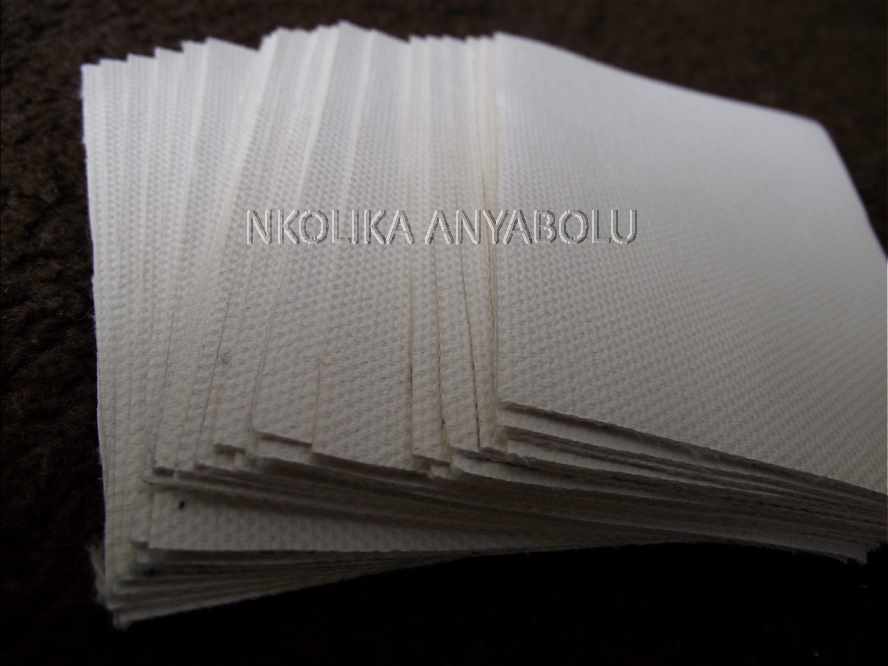
A Painting surface or support is the surface on which paint is applied and it depends on the kind of painting media (i: e paint) you have chosen to use. There are different types of painting surfaces or supports that can be used for painting e: g canvas, hard board, paper or even a wall.
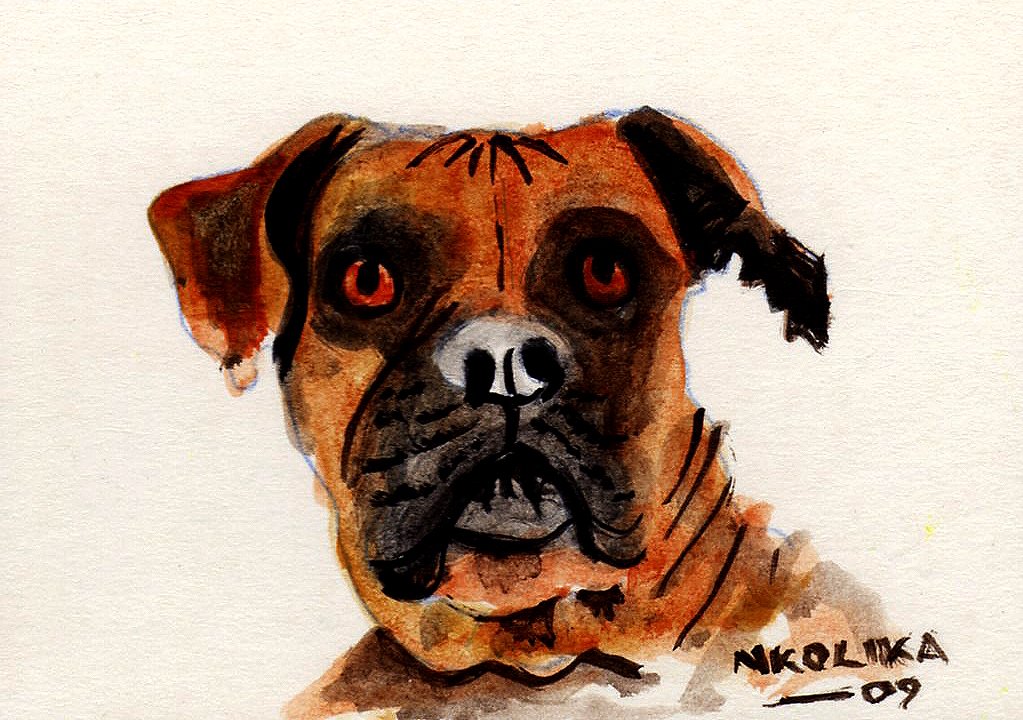
Acrylic paint is very beautiful but can be very annoying and frustrating to use. Somehow when I was starting off in my world of painting I thought acrylic paint could be applied to any surface (I do not know where I got that notion!), but I soon discovered it is not true.

Watercolour is a very clean medium to use. It is not as messy as Oil or Acrylic and there are no solvents to work with thus making it very safe and child friendly too.

This video was shot while in my painting studio creating a painting of a Field of Daisies with Acrylics. Hope you enjoy it.


This is a video showing the progress I made when I was creating an Acrylic painting of an African village. It was painted on canvas board.


This video shows me at work creating a Flower bed painting with Acrylics. This is a speed painting from the beginning to the end. Hope you enjoy it.


I was delighted to have been invited by The Caribbean and African Health Network (CAHN) to be part of their regular Health Hour. The Health Hour raises awareness about prevention, early detection, effective self-care and self-management.

I delivered a webinar to the members of the Igbo Community in Dorset. This was aimed at addressing Covid myths and misconceptions, and improving Covid vaccine uptake amongst people from the Igbo Community.

At the Faculty of Medical Leadership and Management National Conference, I got the opportunity to present my research project looking at the diversity amongst appraisers and appraisees within the Wessex Appraisal Service.

Webinar on GMC Issues amongst IMGs and how to address them. Organized by the University of Nigeria Medical Alumni

This is the 3rd and final part of the landscape painting. In this video I demonstrate how I paint a beautiful foreground with Acrylic paint. Simple Steps with details of colours you would need.
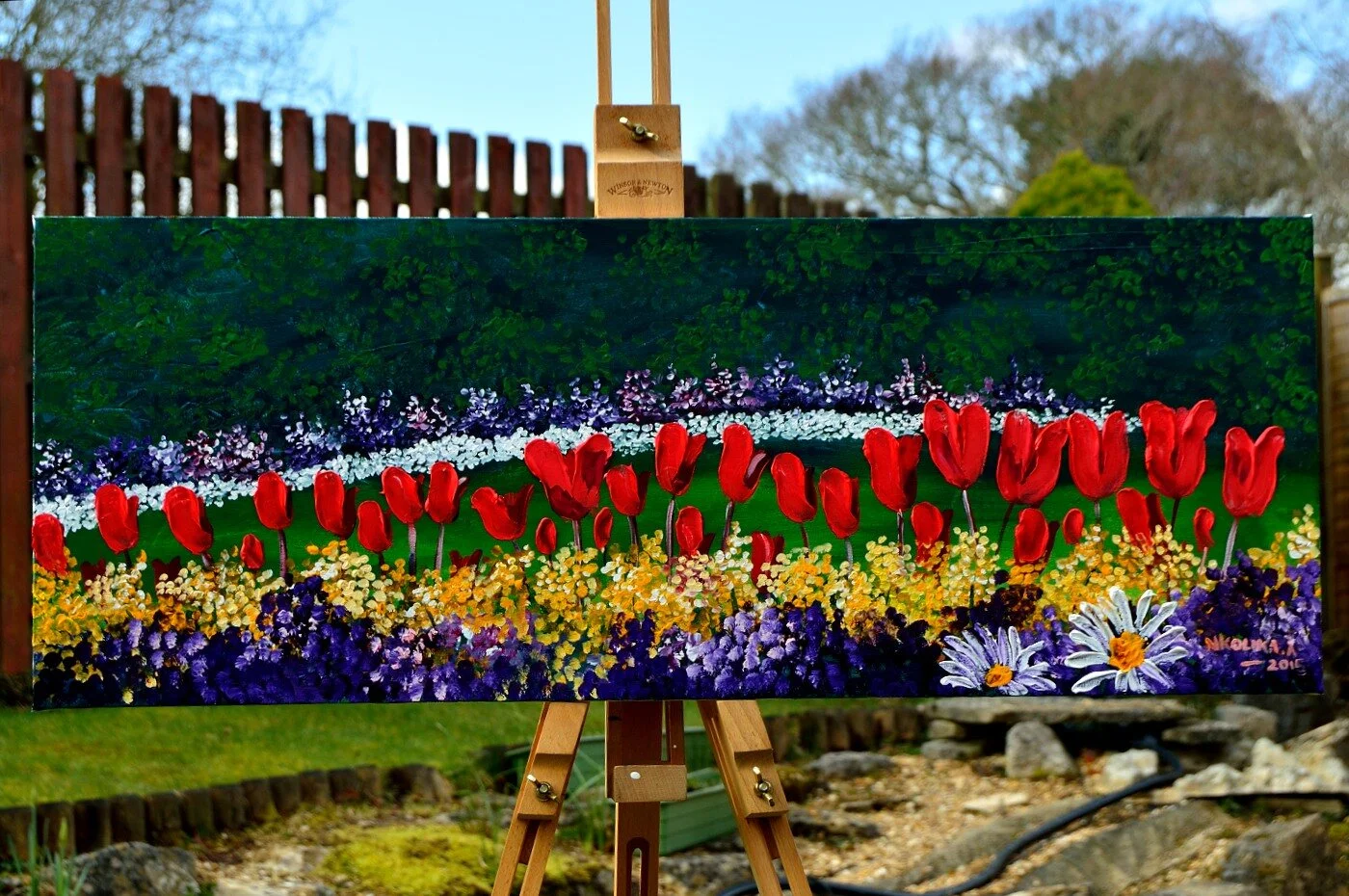
Painting of a bed of Tulips using Acrylic Paint. It is a speed painting from the beginning to the end. For this painting, I used both a brush and a palette knife for the petals of the Tulips.

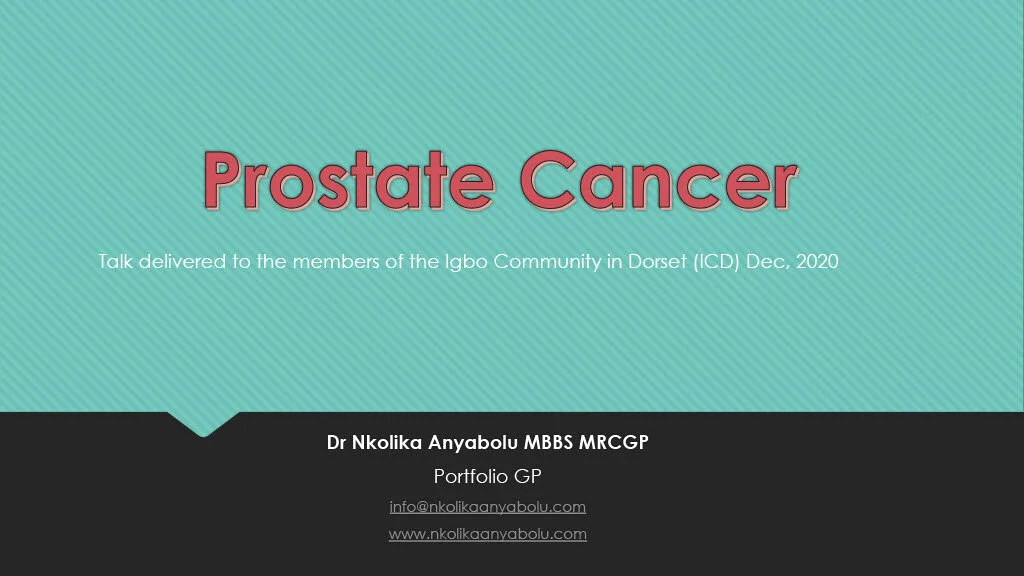
According to Prostate Cancer UK, 1 in 4 black men in the UK will be diagnosed with prostate cancer in their lifetime. This is double the 1 in 8 risks faced by all men. Awareness of cancer signs is lower in those who are male, younger, and from BAME or low socioeconomic groups. 4 in 5 people (85%) are affected financially by a cancer diagnosis.
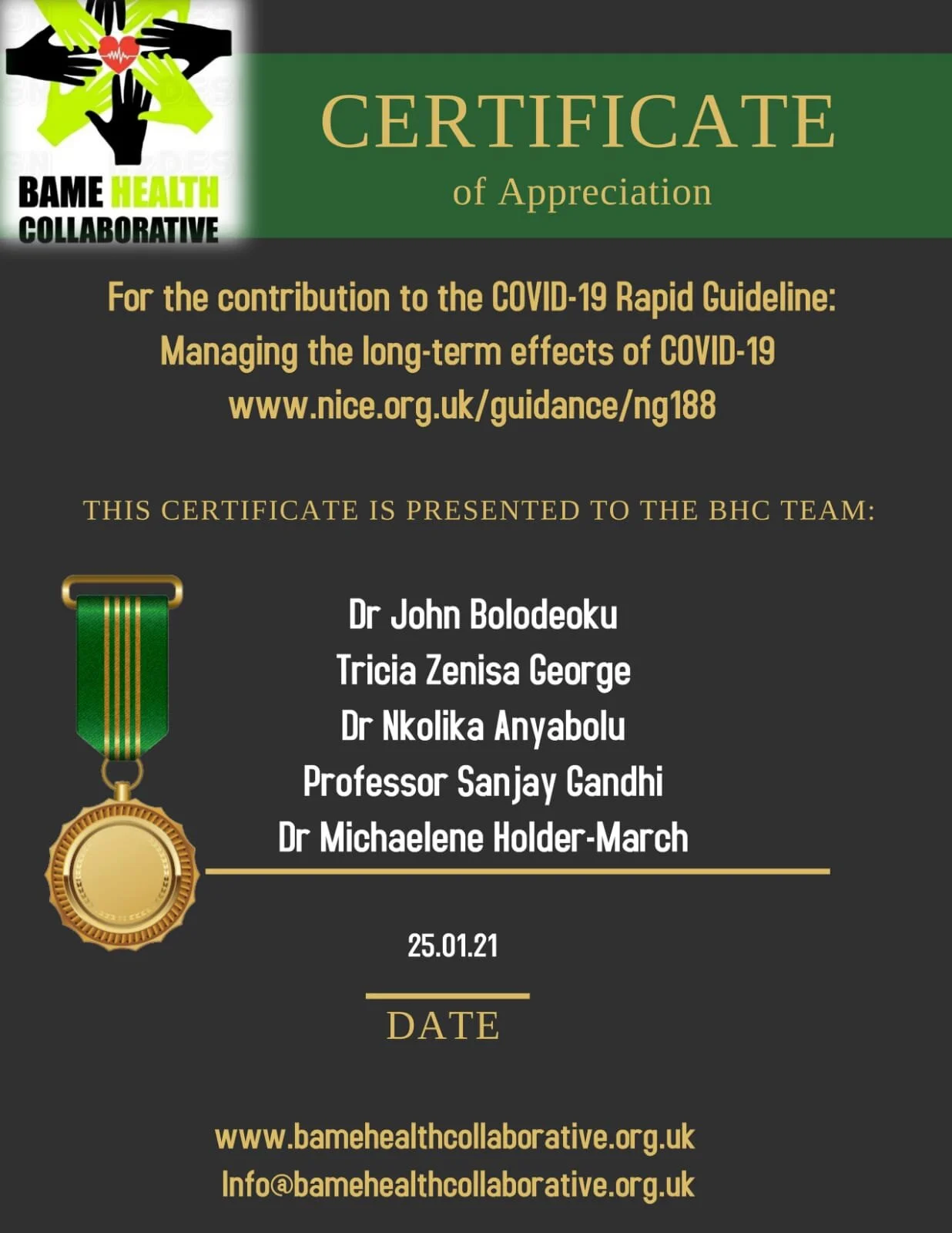
It was an honour to collaborate with Michaelene Holder-March Dr. (Honoris Causa) RN, RM, LLB (Hons)MSc IAEM, FCMi, FInstAM, FInstLM, Prof. (Dr.) Sanjay Gandhi, Tricia Zenisa George, and Dr John Bolodeoku in making a contribution to the NICE COVID-19 Rapid guideline on behalf of the BAME Health Collaborative.
This is research addressing questions about protected characteristics with honesty and transparency. The aim was to produce an equality and diversity factsheet that would help to inform Wessex Appraisal Services. We know that the healthcare profession tends to attract diversity and the findings from this research show doctors in Dorset and Hampshire are more ethnically diverse (23%) compared to the population (4.4%) as well as Nationally (13%). We hope that through these results doctors would be able to recognise they have shared characteristics thus they are not alone.